Songlines Music Awards 2025
We’re delighted to announce the winners of the Songlines Music Awards. For 17 years, the awards have shone a spotlight on the best music being made around the world. Awards are split into categories based on regions and styles, with separate awards for compilations, reissues and our favourite debut album of the year. We also reveal the recipient of our World Pioneer award, proving no farewell is ever too final.
VOTE
What’s your favourite album of 2025? Vote for our Readers’ Album of the Year by visiting bit.ly/SLMA25_PUBLIC (Deadline: February 9, 2026)
BEST ALBUM
1. ganavya
Nilam
(LEITER)
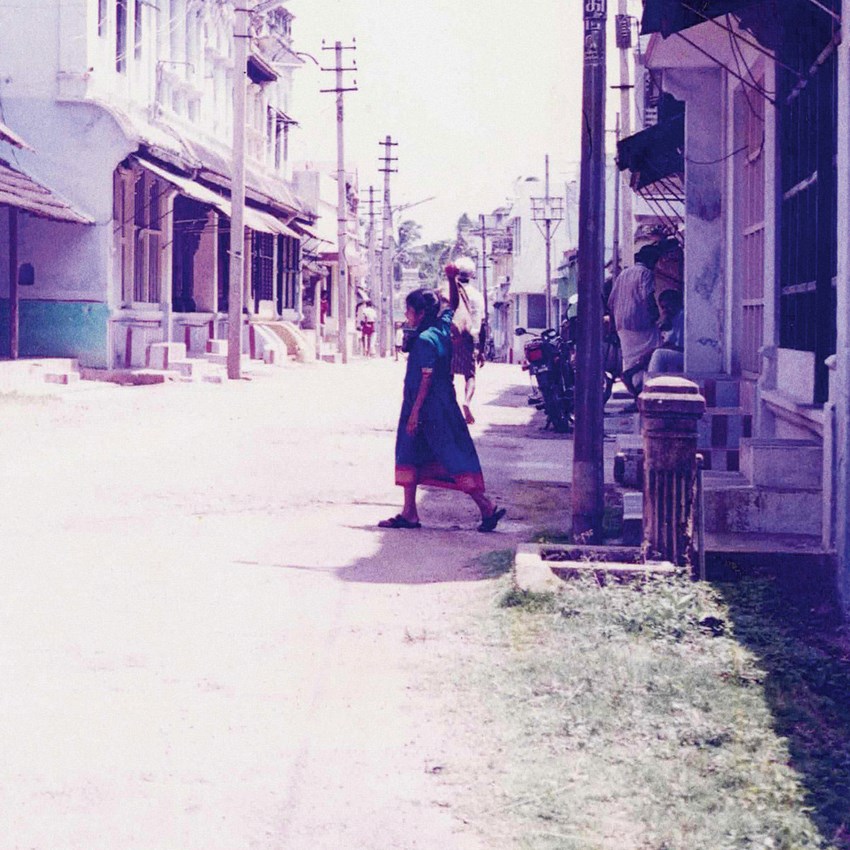
It may seem slightly unfair to all our other contenders that Nilam won Songlines’ Best Album of 2025. Not because the work doesn’t deserve it, but because it was somewhat reluctantly made by the artist. In fact, it only came into being after co-founder of record label LEITER, Felix Grimm (who produced the album), realised that she had a number of songs she performed live that weren’t yet recorded. ganavya, despite having many other projects she wished to record, viewed it as a why-not low-risk venture. The result, however, seems anything but casual. Deeply moving, the record spans just seven tracks, each connected to the theme of land or earth, which is the meaning of Nilam in Tamil. It follows, then, that there’s a profound sense of stillness to this work – a departure from ganavya’s previous album, Daughter of a Temple, where tracks such as ‘Om Supreme’ firmly pushed the sound into jazz territory. Nilam finds ganavya at her most raw, heard through touching familial features on ‘Nine Jewelled Prayer’ and ‘A Song for Sad Times’, which propels the listener into a liminal melancholic space, ganavya’s voice soaring over light, yet atmospheric drones and strings, provided by a yāzh (an ancient Tamil harp). Other highlights include ‘Sees Fire’, which almost sounds like a lullaby for the resistance, and together with the title-track – based on a poem by Palestinian Suheir Hammad – underscores that this accidental album carries a deep and powerful purpose. ERIN COBBY
Find out the other winners here
AFRICA
1. Amadou & Mariam
L’Amour à la folie
(Because Music)
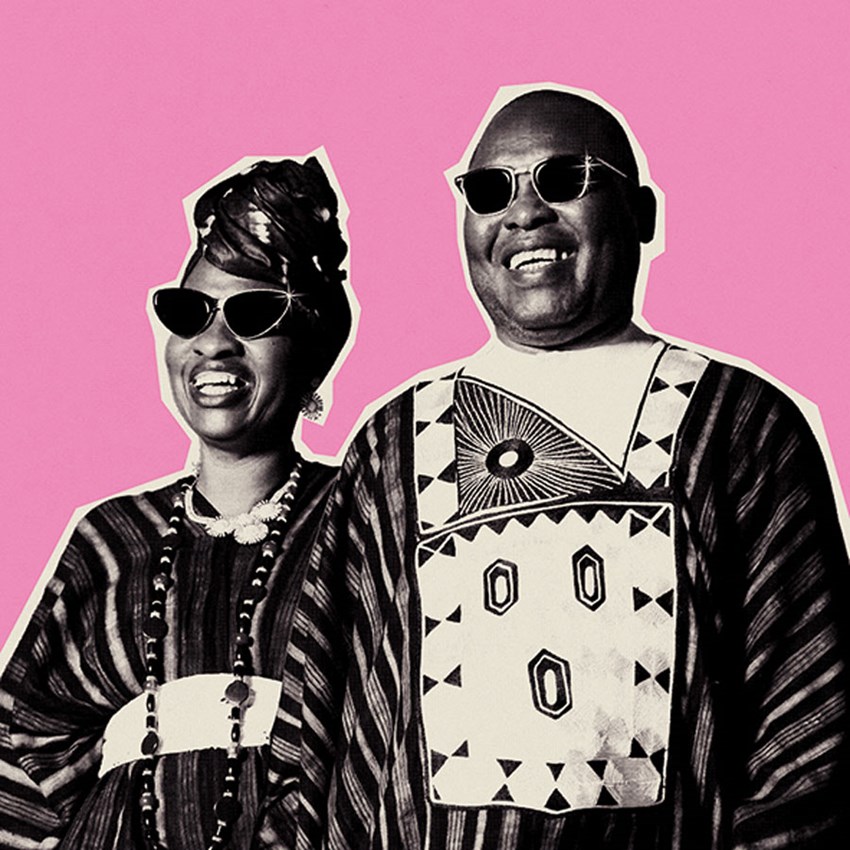
Songlines’ African album of the year is also a farewell. Finalised three days before Amadou Bagayoko’s death on April 4, L’Amour à la Folie feels like an epilogue to the 50-year love story of Mali’s most famous (musical) couple. Released on what would have been Amadou’s 71st birthday, it distils everything that made Amadou & Mariam stars. The record eases in with sleek, techno-drenched pop, before shifting up the gears into the Bambara blues that carried them from Bamako to Glastonbury – and beyond. Producer Pierre Juarez says Amadou “insisted on a sort of lo-fi Malian blues album”, but one coloured by booming 808 basslines and shimmering synths. His guitar solos are, Juarez adds, “moments of euphoria” that keep the energy surging, whether on the Fally Ipupa-assisted ‘Sonfo’ or the hypnotic ‘Kele Ko’. Mariam’s voice moves from vocoder-tinged melancholy on ‘Nakan’ to the stripped-back acoustic charm of closer ‘Tanu’, which thanks those who helped guide the pair out of obscurity. Lyrically, everyday advice (‘Généralisé’), calls for unity (‘On veut la paix’) and declarations of devotion (‘L’Amour à la Folie’) echo themes that have run through their catalogue. Since Amadou’s passing, Mariam has taken their music back on the road with their bandleader son, Sam Bagayoko. “It’s hard, but I’ve always been a courageous person,” she told France 24. On stage, Mariam feels the space at her side is empty, but on this moving final album, his presence is everywhere. Amadou now rests peacefully in the garden of the couple’s home in Bamako. DANIEL BROWN
Find out the other winners here
US & CANADA

1. Alison Krauss & Union Station
Arcadia
(Down The Road Records)
If Arcadia proves anything, it’s that absence can elevate the already superlative character of a band’s music another notch or two. Fourteen years after Paper Airplane debuted at #1 on the Billboard Country, Bluegrass and Folk Charts, Alison Krauss & Union Station released Arcadia. During the interim, band members pursued various ventures, including Krauss’ celebrated collaborations with Robert Plant. While some of its material is rooted in historical events, Arcadia depicts a mythical time and place. The music, Krauss explained to one interviewer, reflects “that whole idea of ‘in the good old days when times were bad’.” Most of the songs were written by contemporary tunesmiths such as Robert Lee Castleman, Viktor Krauss, Bob Lucas, JD McPherson and Sarah Siskind. The album’s primary single, ‘Looks Like the End of the Road’, showcases the qualities that make the group a powerhouse aggregation: Krauss’ seraphic soprano voice, Jerry Douglas’ deftly wielded dobro, Ron Block’s sweetly sympathetic guitar and Barry Bales’ deeply anchored bass. On two plaintive ballads, ‘The Hangman’ and ‘Granite Hills,’ the wisdom of bringing in multi-time International Bluegrass Music Association Male Vocalist of the Year winner Russell Moore to the line-up, replacing Dan Tyminski, could not be more conclusive. Part of the album’s refined beauty can be attributed to the inspired production setting, which reunites the group with Rounder Records founders and now Down the Road Records owners Ken Irwin, Marian Leighton Levy, Bill Nowlin and John Virant, who first signed Krauss when she was 14 years old, and first worked with Jerry Douglas in 1975. DOUG DELOACH
Find out the other winners here
MIDDLE EAST
1. Yasmine Hamdan
I remember I forget
(Crammed Discs)
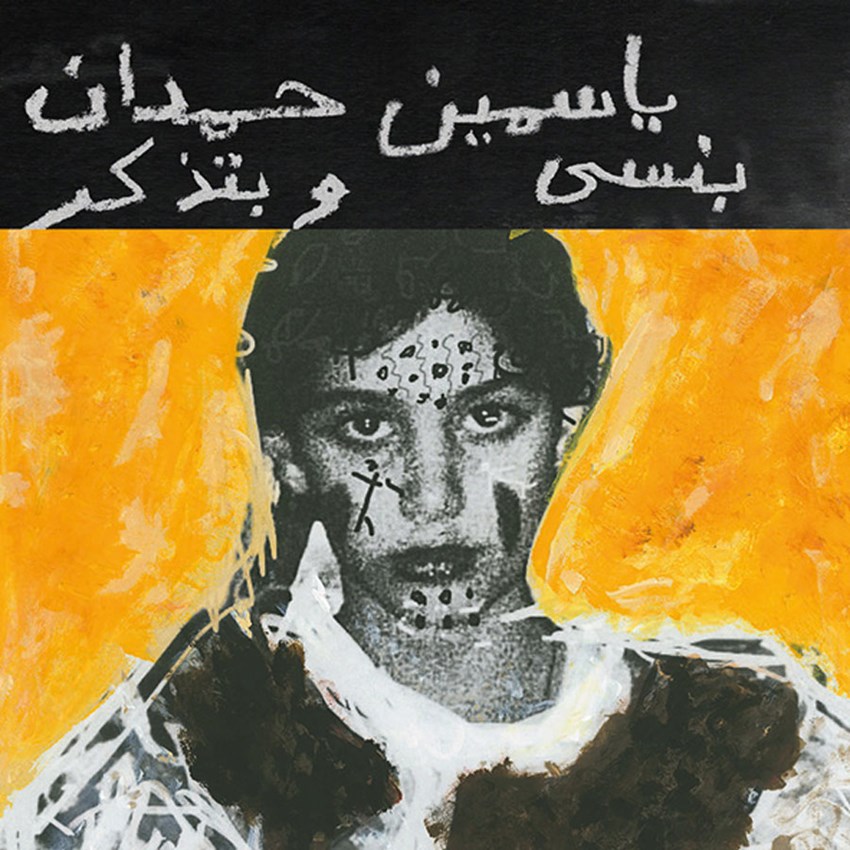
Think Arabic trip-hop, think Yasmine Hamdan. Back in 2001, this indie-minded trailblazer emerged, shimmering, from the Middle East underground scene as half of the Beirut-based synth-pop duo Soapkills. Intent on spotlighting the destruction and hasty reconstruction of their civil-war-besieged city via their combination of electronic music and classical Arabic song, they released three albums, garnered a cult reputation, and then went their separate ways.
Hamdan’s solo career – carved from a meld of evocative vocals, traditional modes and hazy electro-soundscapes – proceeded to skyrocket. I remember I forget, her third album, arrived after an eight-year hiatus, deftly balancing the personal and the political, the experimental and the accessible, in a sonic space whose stutters, shudders and push-me-pull-you tensions speak to a region newly ravaged by unrest, war and the Israeli genocide in Gaza. ‘Hon’, the deeply ambient opener, finds her languid, smoky vocals overtaken by a siren and beats. ‘A small land, a gaping wound’, she sings, leaving the listener to decide what land this is.
In ‘Shmaali’, Hamdan’s use of tarweeda, a form of coded lullaby once used by women in Palestine to convey longing and dissent, reinforces the notion of music-as-resistance while following the album’s silver threads of identity, memory and personal commitment. The title-track, with its swelling synth and sporadic vocal samples, conveys movement and begs to be turned up loud. Throughout, whether dance, trip-hop or (almost) reggae, Hamdan showcases age-old Arabic genres including tarab through a contemporary lens. A modern-day masterpiece, then, lit by political fire. JANE CORNWELL
Find out the other winners here
LATIN & CARIBBEAN

1. Caetano Veloso & Maria Bethânia
Caetano & Bethânia Ao Vivo
(Sony Music)
This recording of 42 songs across 33 tracks, lasting nearly two hours, is the result of a tour through Brazil’s main capitals that reunited the two siblings on stage for the first time since a 1978 tour. This was a show designed to please the crowds, conceived for arenas and stadiums. The pair’s contrasting energies but remarkably similar voices mean that they can slip in and out of each other’s songs through a setlist of tensile strength. There’s an overview of both of their careers with a selection from the early days of tropicâlia to a brand-new unreleased song, ‘Um Baiana’, which appeared in the penultimate performance of the tour, played to the Salvadorian rhythm of samba-reggae, where Veloso sings of his experience of singing with BaianaSystem and their inspirational stance of non-violence. If you go to any show in Brazil, the crowd will often drown out the main act with their singing; shows are a time for celebration not respectful listening, and this album is no exception, as we can hear the crowd joining in the familiar refrain of ‘tempo, tempo, tempo’ in ‘Oracão ao Tempo’. There’s room for self-reference: ‘Gente’ celebrates the greatness of human existence, exemplified by those mentioned in the lyrics – which includes Bethânia herself. The medley of sambas starting with ‘13 de Maio’ is a homage to their birthplace, the Recôncavo Baiano region, and is rounded off with ‘A Donzela se Casou’, a charming samba by Veloso’s son, Moreno. I imagine this tour will never be repeated, making this something of a coda for their joint careers and the perfect souvenir. ANDY CUMMING
Find out the other winners here
ASIA & PACIFIC
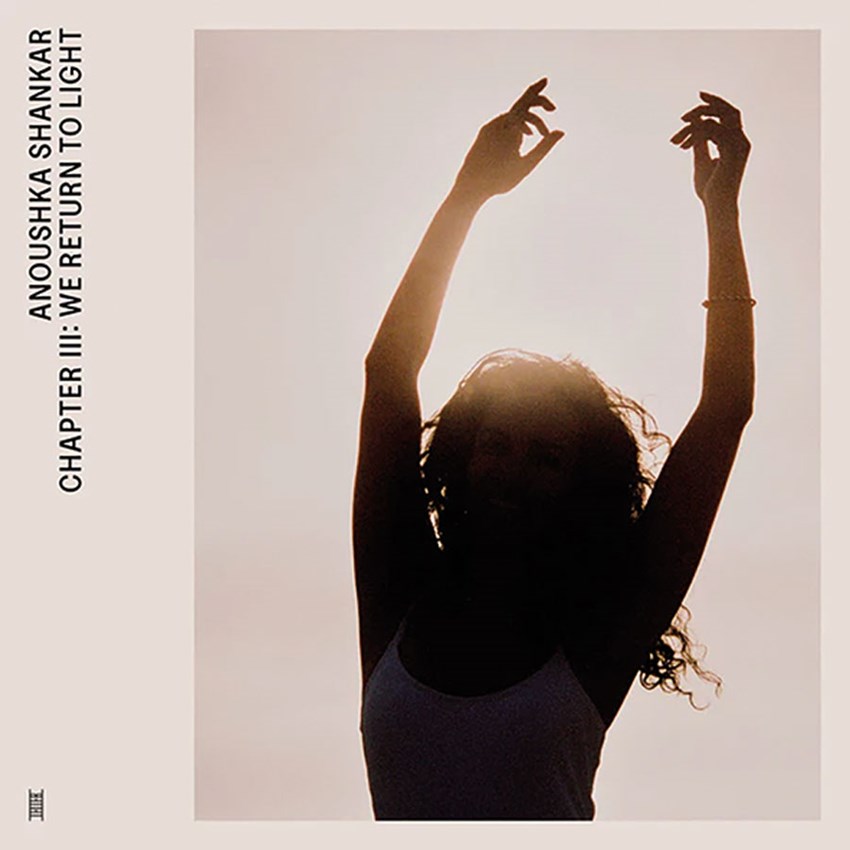
1. Anoushka Shankar
Chapter III: We Return to Light
(LEITER)
“We’re in that place”, Anoushka told me at the start of the year when discussing this album. “It might be utopian or fantasy, but we’re in that place, we’ve healed, the sun has come out, you’re at a rave in Goa, it’s bright, the alchemy has happened, and we’re in that place of light and strength.” The third in a trilogy of mini-albums that saw her collaborate with different musicians each time, We Return to Light felt like the apotheosis, the homecoming. For this one, she collaborated with sarod player Alam Khan and British-Asian percussionist Sarathy Korwar, and it’s one of her strongest musical statements to date. There are references to her past, nostalgic nods to her father Ravi (and Alam’s father, Ali Akbar Khan), but really this is about making clear, bold, rhythmic, cathartic and, at times, exhilarating music. ‘We Burn So Brightly’ fits that last description perfectly – Korwar’s percussion pulses, drives forward, while Shankar’s sitar and Khan’s sarod probe and enquire, until becoming entwined and suddenly exploding in a flurry of notes. It’s like watching that famous Planet Earth sequence of iguanas escaping from snakes: suspense, intense drama, resolution. From there, we pass to ‘Amrita’ and ‘We Return to Love’, two extraordinarily beautiful and simple compositions that manage to pack so much emotion into their relatively short durations. Anoushka has spoken of wanting to break from the usual cycle of making an album, then promoting it for the next year or two, instead wanting to experiment and not wed herself to big projects. If this is what that entails, then she might be on to something. RUSS SLATER JOHNSON
Find out the other winners here
EUROPE
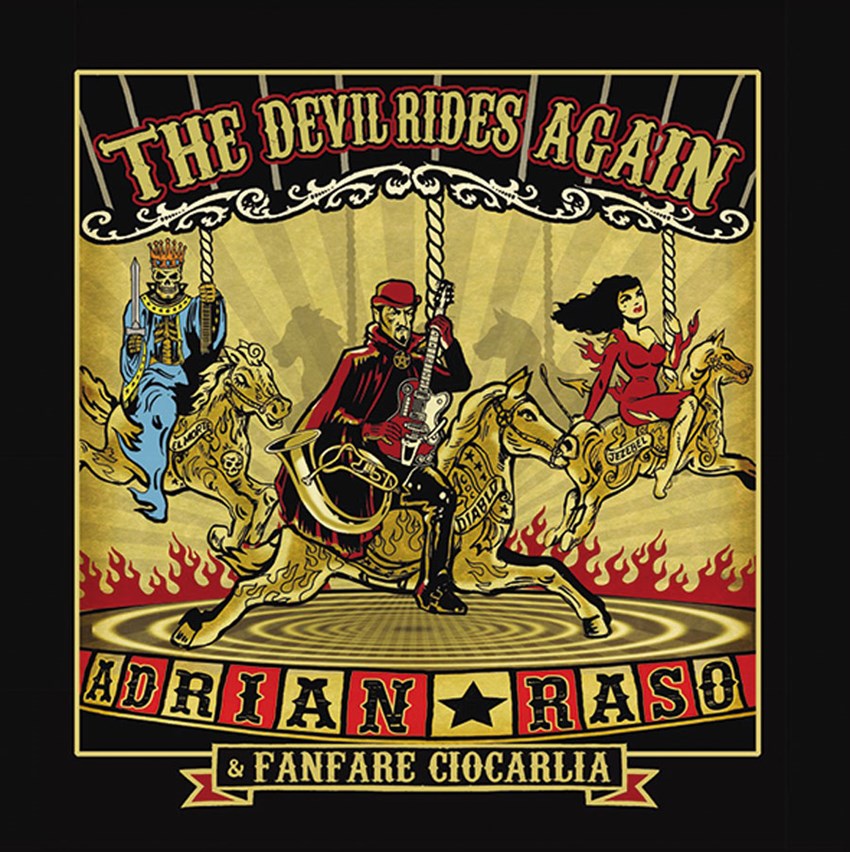
1. Adrian Raso & Fanfare Ciocărlia
The Devil Rides Again
(Asphalt Tango Records)
Sometimes a musical collaboration produces such sonic alchemy that it can’t be left as a one-off project. This proved to be the case with legendary Romanian brass band Fanfare Ciocărlia and Canadian fusion guitarist Adrian Raso, who first came together for 2014’s incendiary Devil’s Tale. More than a decade after their first meeting, The Devil Rides Again is their reunion. The album finds Fanfare Ciocărlia in vintage form, delivering all the elements they’ve become known for – from reverberant tuba parts and thudding bass drums to richly detailed brass fanfares and intricate trumpet, saxophone and clarinet solos. The virtuosic and wide-ranging playing of Raso is the ideal foil for the Romanian’s invigorating Gypsy stomp. Opener ‘Bugatti Be Kiddin’ Me’ channels classic Dixieland, while ‘Blagona Blue’ finds Raso in full Django Reinhardt mode, perfectly complementing the band’s rich horn melodies. He switches things up with an electric guitar on a cover of Spencer Davis Group’s ‘I’m a Man’, his wah-wah pedal lead lines singing out across a rousing backing of Gypsy ska-jazz. Another cover, a madcap rendition of Dolly Parton’s ‘Jolene’ is particularly memorable, while the aforementioned Django Reinhardt is reinterpreted with a beautifully judged take on ‘Blue Drag’. Sometimes, if a partnership has been left for a long stretch, it can be hard to rekindle the original fire – but there were no such issues here. ANDREW TAYLOR-DAWSON
Find out the other winners here
UK & IRISH FOLK
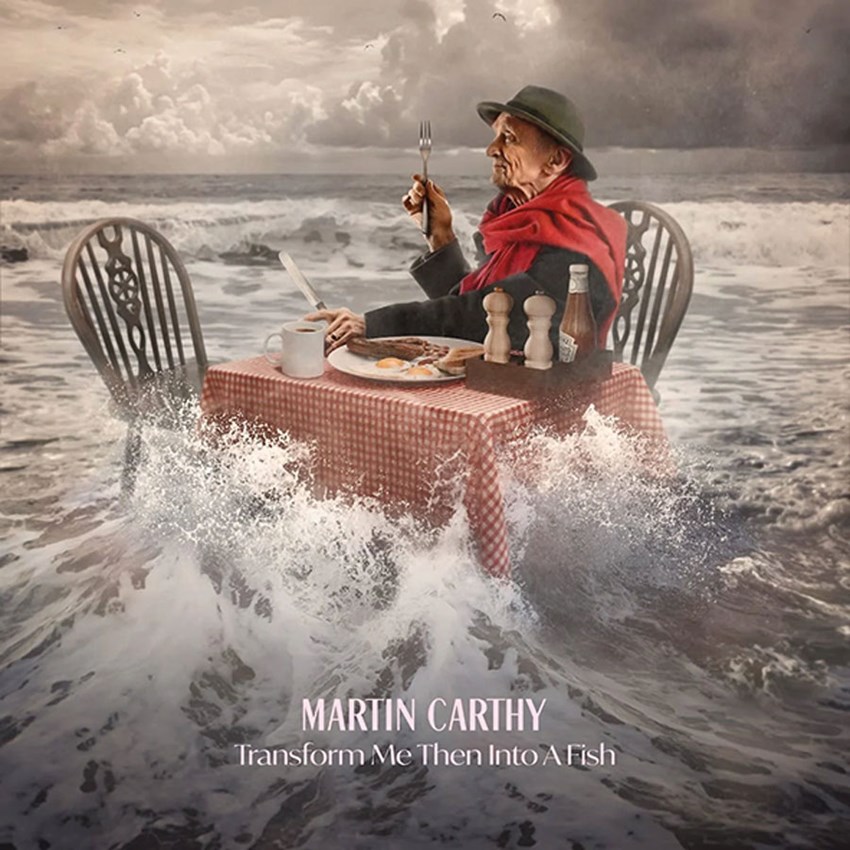
1. Martin Carthy
Transform Me Then Into a Fish
(HemHem Records)
Martin Carthy is always busy. This year, he had club and festival dates, even a US tour with daughter Eliza, though it was his return to the songs which made his reputation, on his first solo album for 19 years, that made 2025 that bit special. I reviewed Transform Me Then into a Fish and loved it – five stars! It is, though, by an artist aged 84. There is a fragility to his voice. Is his guitar playing a little less deft? The album, warmly reviewed elsewhere, was shortlisted for the Mercury Prize. I felt vindicated. Then, at the ‘Life and Songs of Martin Carthy’ concert, Bob Dylan – also 84, also still performing – appeared on video to pay tribute to and acknowledge Carthy’s influence: “Your songs have been a part of mine for so long… stay well, keep playing”. Returning to Transform Me Then into a Fish, Dylan’s words in my ears, I’ve come to a deeper appreciation. It echoes, across 60 years, back to Carthy’s eponymous first album, but it’s no nostalgic
pining for lost youth. ‘High Germany’, jaunty on the debut, is now freighted with the sorrow and suffering of war after war. ‘Scarborough Fair’ scarred Carthy, the Simon and Garfunkel version cruelly overshadowing his. Here, he throws this off, reclaiming the song with a different tune, revealing its darker nature. ‘Ye Mariners All’, from which the title is taken, and ‘The Handsome Cabin Boy’, both of which benefit from daughter Eliza’s exuberant fiddle, share something of the brightness, innocence, even, of the first album, and contrast happily with these sombre songs of experience.
Julian May
Find out the other winners here
FUSION
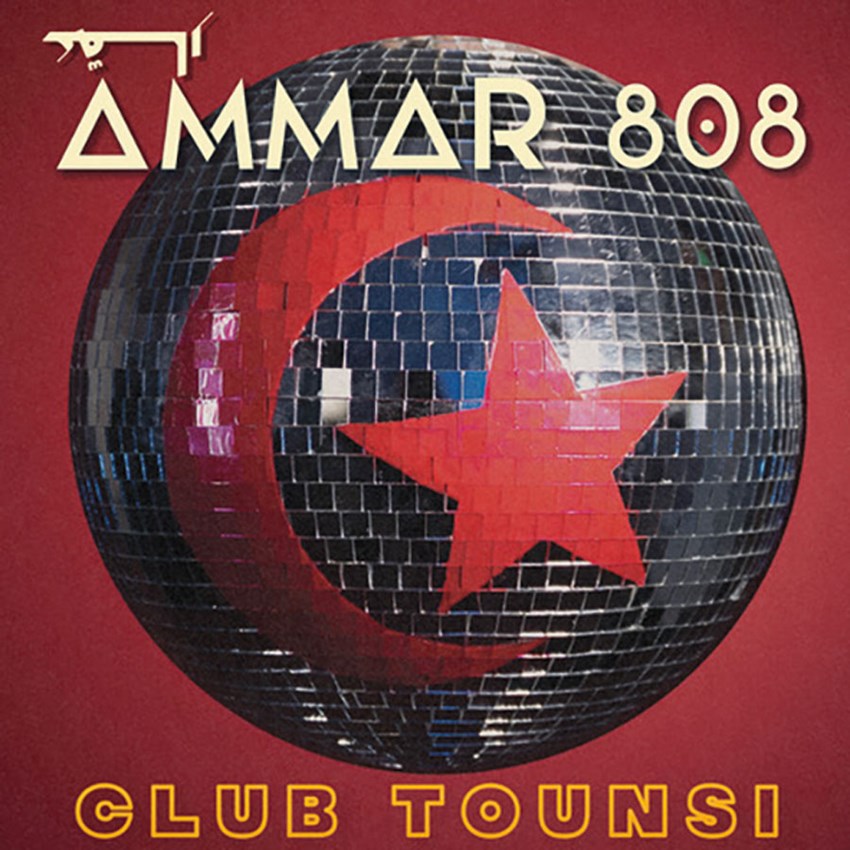
1. AMMAR 808
Club Tounsi
(Glitterbeat Records)
Fans of AMMAR 808 have had a bonus year in 2025: first, our appetites were whetted with a storming odyssey of a live album in Live at Another Sky in February, then we got blown away by his third full-length studio album – the first since 2020 – in the shape of Club Tounsi in May. After previous albums exploring phreaked manipulations of pan-Maghrebi and Tamil music, AMMAR 808 (alter ego of Tunisian producer Sofyann Ben Youssef) takes on the phenomenon of the mezoued – the Tunisian bagpipes and their eponymous folk style. The pipes and their music were transplanted from the countryside to the cities in the 1950s, accreting influences from every direction along the way, and eventually becoming solidified as an urban sound of the people, scorned by cultural institutions but beloved by the streets. Mezoued was the sound of AMMAR 808’s childhood, and in his hands, the clattering hand-drums, breathy ney flutes and the iconic bagpipes themselves become glitched into a deep, dark electronica, alongside drum machines, sequencers, drones, AutoTune and, most importantly, the heavy, insistent synth throbs that blur the lines between bass and percussion. The album’s three singers – Mariem Bettouhami, Mahmoud Lahbib and Brahim Riahi – fill the music with beautiful poetry of love, longing and Sufi spirituality, or else celebrations of life and parties, a human grounding while the producer whips up a dubwise frenzy all around. With Club Tounsi, AMMAR 808 continues to electrify the organic and organicise the electronic, warping the traditional into the folk music of the 21st-century club scene, relevant to dancefloors from Tunis to the globe. JIM HICKSON
Find out the other winners here
REISSUE

1. Toumani Diabaté
Kaira
(Chrysalis Records)
The most famous kora player of our era, Toumani Diabaté (1965–2024), released his solo debut in 1988 on Joe Boyd’s Hannibal label. Produced by Lucy Durán, it was one of the first albums to introduce this sublime West African instrument with 21 strings to Western audiences. Toumani recorded it in London when he was invited by Durán to perform with his father Sidiki Diabaté – then known as ‘the king of the kora’ – in the BBC Radio 3 festival Music of the Royal Courts at London’s Southbank Centre. ‘Kaira’, the laid-back title-track, means ‘peace’ or ‘happiness’, and it sounds almost Baroque in its sophistication and refined decorative detail. The album features ‘Kaira’ alongside four other classics of the kora repertoire, including ‘Jarabi’, with an infectious swing and an absolute favourite of Toumani’s, which he recorded several times during his career. Toumani (and producer Durán) were responsible for many other outstanding records, including the groundbreaking Songhai collaborations with Ketama (also to be reissued on Chrysalis), his brilliant solo album The Mandé Variations and the Grammy-winning duos with guitarist Ali Farka Touré, In the Heart of the Moon and Ali and Toumani (the latter three on World Circuit). Toumani’s death, aged only 58, was a tragedy for Malian music. Despite being almost 40 years old, Kaira remains one of the most beautiful kora records ever released. SIMON BROUGHTON
Find out the other winners here
COMPILATION
1. Various Artists
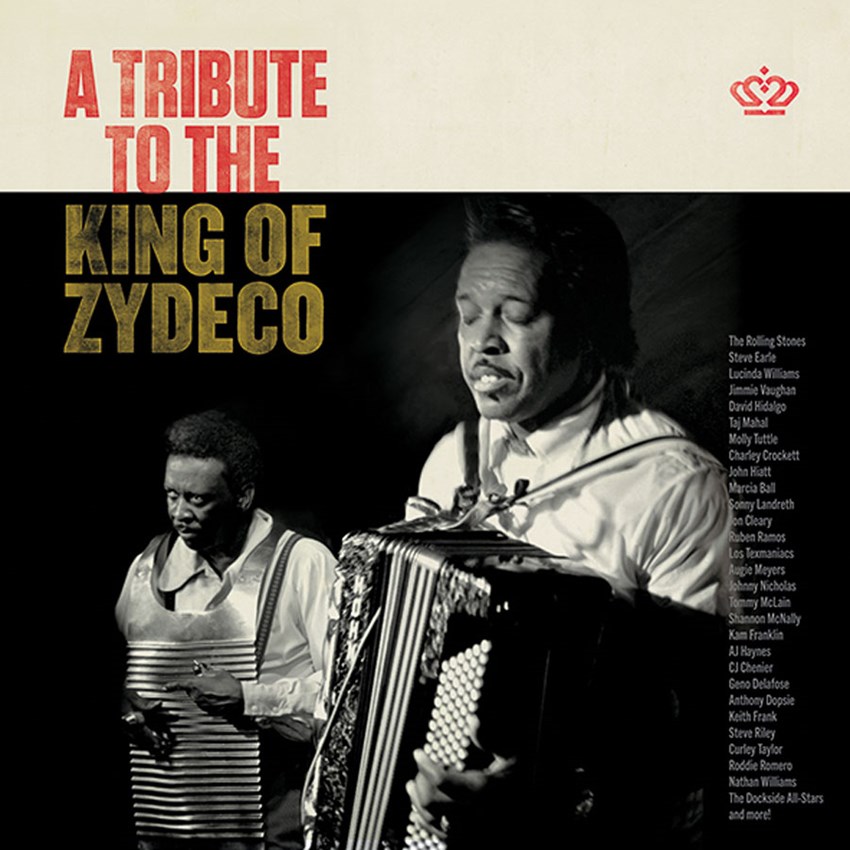
A Tribute to the King of Zydeco
(Valcour Records)
This commemorative set rose from the swamps of the bayou (OK, Dockside Studio, south of Lafayette) and out into the summer. Dedicated to the ‘King of Zydeco’, Clifton Chenier, the creator of the original gumbo, it marked his 100th birthday, and was led off at a wild gallop by the Rolling Stones, with Steve Riley on accordion and Chenier’s drummer Robert St Julien on the skins, cutting one of their most raucous rackets in ages. Jagger’s voice and harmonica, and Richards’ Telecaster (the one he used for ‘Brown Sugar’) raise hell and their hats to tradition while turning it right round. Riley later said that Richards’ playing was precisely what would get you fired from any zydeco band. Too loud, too fast, too early. Oh, yeah? “His instincts, of course, were dead on.” What follows on from ‘Zydeco Sont Pas Salés’ is a spiced, salty mix of zydeco greats and guest singers and players, ranging from country singer Charley Crockett paired with veteran saxman Derek Huston and accordion player Nathan Williams Sr on ‘Easy, Easy Baby’ to John Cleary and Curley Taylor bringing an ooze of sweet and spicey blues to ‘I’m on the Wonder’. Lucinda Williams, Steve Earle, Taj Mahal and John Hiatt are among the other stars melding tradition and innovation with a standing company of zydeco players whose musical spirits circulate through the record’s 14 songs, closing with a great cut from Clifton’s son, CJ, taking vocals on ‘I’m Comin Home’. There’s not a duff song in the set. Good reason for taking the Best Compilation award. TIM CUMMING
Find out the other winners here
NEWCOMER
1. Wayku
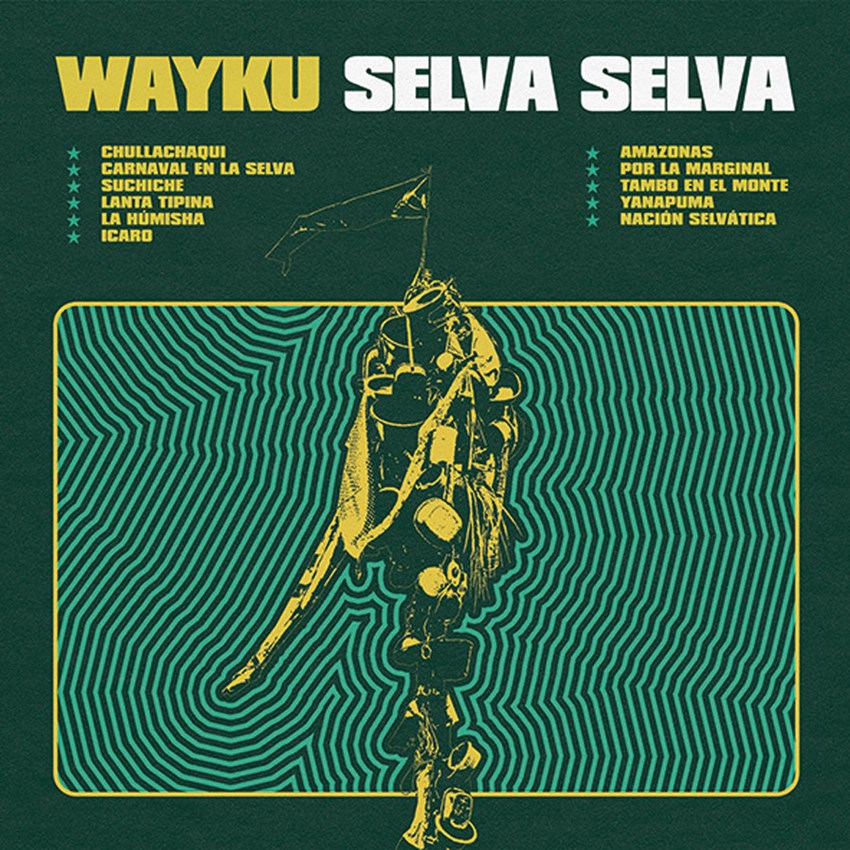
Selva Selva
(Buh Records)
Since Peruvian cumbia came to international attention in the late 2000s as a distinct brand of electric guitar-wielding, four-to-the-floor, head-swirling wizardry, there have been many imitators of the style. Percy A Flores Navarro, originally from Tarapoto on the outskirts of the Peruvian Amazon, did his homework (having previously worked with legendary cumbieros Grupo 2000), but his debut as Wayku offers something a little different. Tracks like ‘Yanapuma’ and ‘Por La Márginal’ feature Indigenous percussion, twisting guitar and galloping basslines that could go on for hours, but then they are inspired by pandilla, an Amazonian style of music created for carnivals and all-night partying. ‘Amazonas’ is closer to a cumbia, but there’s a melodicity that feels akin to the hybrid work of Brazil’s Tropicalistas. Then, there are blissful tracks like ‘Suciche’ and ‘Lanta Tipina’, with the reverb turned up to full and revelatory drum work that recalls Peter Green-era Fleetwood Mac. With most instruments recorded by Navarro – the exception being bass guitar – it’s remarkable how cohesive this album sounds, and how fresh. Just listen to those synths on ‘La Húmisha’, imitating a fiddle on the beat, or the spectral beauty of album centrepiece, ‘Icaro’, a trip deep inside an Indigenous chant, and you appreciate how Navarro is creating something new while revelling in all the music he loves. The fact that, at times, that includes hefty, unashamedly distorted guitar riffs, is never a bad thing. RUSS SLATER JOHNSON
Find out the other winners here
WORLD PIONEER
Peggy SEEGER
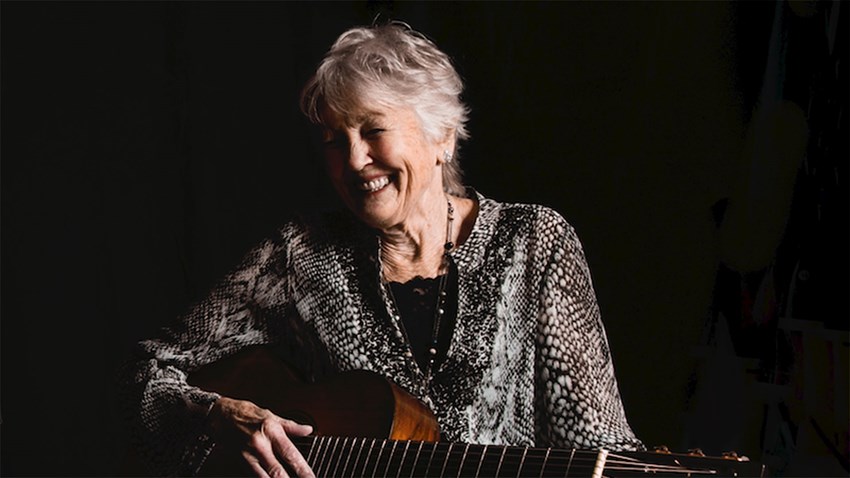
Throughout her long and quite extraordinary career, Peggy Seeger has always been a pioneer. She was born in the US in 1935 but helped to transform the folk scene in Britain, firstly through her work with Ewan MacColl and then as a solo singer-songwriter who simply got better and braver as she got older. I can’t think of any other artist who has developed so dramatically late in life. She is often angry, but also very funny, and has moved from ‘message songs’ to work that remains political but now covers a broad range of topics, from ageing to climate change. Her “final album”, Teleology, included a gloriously witty tribute to Paul Simon, and the most exquisite version of ‘The First Time Ever I Saw Your Face’ that I have heard. Which is only right – Ewan, who would become her husband, wrote it about her.
It’s no surprise that she is a fine musician and multi-instrumentalist. Her mother was an award-winning composer, and her father was involved in setting up the Library of Congress’ Archive of American Folk Song. Her brother Mike played with the New Lost City Ramblers, while her half-brother (or “big brother” as she called him) was the legendary Pete Seeger. Visitors to their house included Lead Belly and Woody Guthrie. Peggy was destined to be a folk singer, and after working in the US and Europe, she moved to England in 1959 and later married Ewan MacColl, who was 20 years her senior. They founded the Critics Group in the mid-60s, creating a platform for folk artists in London, and released close to 50 albums together from the 50s until the 80s. Though, it wasn’t easy, as her typically brave 2017 autobiography First Time Ever explains.
Read the full article on Peggy Seeger's World Pioneer award here