Essential 10 La Réunion Albums | Songlines
Thursday, May 15, 2025

Essential 10 La Réunion Albums

Artists and labels from La Réunion select the albums that have helped this small, isolated island become a hotbed of musical creativity
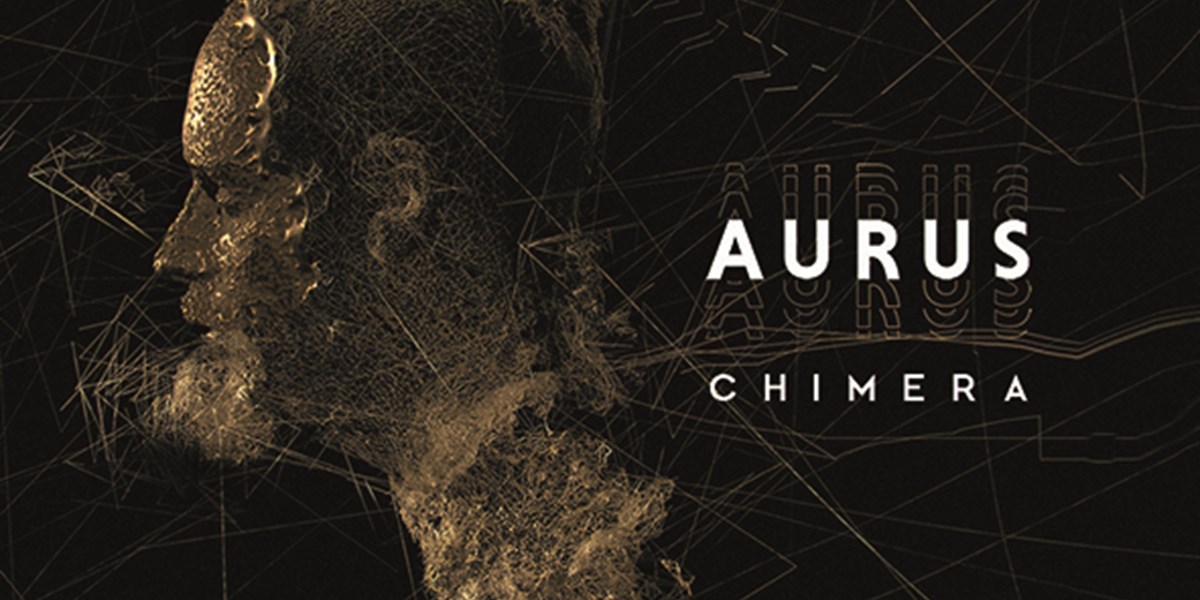

09 Aurus Chimera

A French colony since the 17th century, the musical history of La Réunion begins with the enslaved Malagasy and African people who practised rites and traditions, often accompanied by percussion, a musical bow or a lamellophone. Over time, this music and dance blended with European ballroom music and became known as séga. This term has persevered as the name for Creolised music from the island, while maloya emerged as the term representing a closer affinity to the music played by the island’s enslaved and their descendants, retaining its percussion instruments and rhythms. Asking some of the island’s most exciting and revered artists – Danyèl Waro, Votia, Oriane Lacaille, Jako Maron, Ana O’aro and others – for their favourite albums reveals how so many of these artists found their identities as maloya became electrified in the 80s and 90s, and how new fusions of maloya with rock, jazz and electronic music are continuing to inspire new generations.

interviews and additional copy by Russ Slater Johnson

1 Carrousel

La Vie est un Mystère

(Discorama/Éditions Réunion Océan Indien, 1982)

“I was the leader and main composer of the band Carrousel from 1979 to 1983. We only made this one album; at that time we were precursors for the fusion of rock, jazz and local traditional music. I think we opened the way for many bands later. At the time there was only dance orchestras [big bands playing séga] performing live so we changed the local scene by organising original rock and maloya concerts! At first, Alain Peters was the bass player and co-composer, but soon he started drinking, got out of control, and we had to break up.”

Chosen by Loy Ehrlich


2 Jean-Philippe Bideau, Kiki Mariapin, Teddy Baptiste & Zoun

Lézard Vert

(Ziskakan, 1983)

Lézard Vert (Green Lizard) is much more than a band, it’s a concept of participation… It arrived at a moment when culture in La Réunion was materialised by two distinct genres: on one hand, séga could be perceived as colonial-approved entertainment. On the other hand, maloya was rooted in the spirits as the ghost of slavery and seen as a dissident. A pioneer of electric maloya alongside Ti-Fock, Alain Peters, René Lacaille… Zoun [and his fellow musicians] were responsible for exploring [maloya’s] never-ending universe.”

Chosen by Avneesh Bacha (Babani Records)


3 Ousa-Nousava

Déraciné

(SEDM Oasis Studio, 1990)

Ousanousava (credited as Ousa-Nousava on some of their earlier albums) have been an ever-present in La Réunion since they were formed by Frédéric Joron, son of Jules Joron, one of the island’s great séga singers. After Frédéric left the group, two of his brothers, Bernard and François took over the mantle, which they continue to do to this day. Danyèl Waro explains why he chose this album: “Since 1984, Ousanousava have been one of the most famous groups in La Réunion; everybody can sing the songs from this album, right up to the present day. You can find the group playing on stage all year long on the island.”

Chosen by Danyèl Waro


4 Granmoun Lélé

Namouniman

(Label Bleu, 1993)

Granmoun Lélé played all over the world, taking maloya to international stages. His birth name was Julien Ernest Philéas, and he was the father of Marie-Claude Lambert-Philéas, who is following in his footsteps by popularising Réunionese music with her group Votia. “Maloya is not only music but their way of life”, Marie-Claude’s manager Soraya tells us. But here’s Marie-Claude on her father: “My father was Julien Ernest Philéas, but my boss was Granmoun Lélé! Both are responsible for the person and the artist I am today. They taught me everything I know about life and music.”

Chosen by Marie-Claude Lambert-Philéas, aka Votia


5 Alain Peters

Parabolèr

(Takamba, 1998)

“Alain Peters died in 1995; he was a huge artist and a great poet who was recognised far too late. He took maloya music to another level. I was lucky to see him playing guitar and singing; unfortunately, he was homeless and used to sing in front of the Prisunic store in Saint-Denis where my father worked. His texts reflect his life story, the reality on Réunion Island, but also his addiction to alcohol… As a music producer, the way he used his instruments, the takamba (djeli ngoni) and gimbri, influenced me a lot when I produced my album M.I.N.D (Maloya Is Not Dead).”

Chosen by Nicolas M’Tima


6 René Lacaille

Patanpo – La Réunion

(daquí, 1999)

After growing up in La Réunion, René Lacaille had left his accordion and the island’s soul behind while living and making music in France. Until he was reunited with Danyèl Waro and it all came flooding back. He picked up the accordion again and flew into this set inspired by séga and maloya, returning to the songs he’d heard and played as a child. Here’s his daughter, Oriane: “It’s the album of my childhood. I think that it’s my favourite album by my father. It’s so close to the atmosphere of the live concerts of René Lacaille: grooving, dancing, celebrating life!”

Chosen by Oriane Lacaille


7 Danyèl Waro

Aou Amwin

(Cobalt, 2010)

“This is an uncompromising album, a testament to Waro’s spirituality, his movements and convictions,” declares Ann O’aro, continuing: “It contrasts weeping melodies, collective incantations, militant energy and a euphoric release.” For Grèn Sémé’s Carlo de Sacco, “It’s a jewel that delves deep into the soul of Réunion Island, while opening up to the world, notably through a collaboration with the Corsican group A Filetta.” He adds: “The contribution of the musicians, including Waro’s son Sami Pageaux Waro, is remarkable, with arrangements of great finesse.”

Chosen by Ann O’aro & Carlo de Sacco (Grèn Sémé)


8 Zanmari Baré

Mayok Flér

(Cobalt, 2014)

“This album is important because it’s in keeping with the poetic tradition of the Creole language that Alain Peters also offered. In traditional maloya, the melodies are repetitive, creating a trance – that’s the music that originated from the island’s enslaved people and that was played in the servis kabaré, a trance rite. This album is based on that form of maloya, but the melodies and vocal harmonies are more complex and original, occasionally approaching pop or jazz harmonies. It marks a transition in the traditional music of La Réunion, a renewal of the style in both the poetry and the harmonies.”

Chosen by Stéphane Hoareau


9 Aurus

Chimera

(Association Margoya, 2021)

“This album is like a new era in Réunion Island music: deeply modern, in English and Creole. Traditional instruments are used in an electro yet tribal pop shell; maloya is expressed in an avant-garde way… It is a vision of our culture between roots and the new generation. It is a UFO from the Indian Ocean and it is spreading to many places. It’s a unique album and depicts in its own way the diversity that exists in Réunion Island. Plus, the track ‘Kuhu’ has become a LGBTQ+ anthem on the island, with Aurus now considered
a pioneer of queer art.”

Chosen by Bastien Picot


10 Mouvman Alé

Romans Non-Galizé

(Mouvman Alé, 2021)

“The first Time I saw Mouvman Alé live was in the Bisik Cultural Club, Saint-Benoît, a town on the east coast of Réunion Island. It was such a blast. I was blown away by the song ‘SOKOUYÉ MARMAY’. The way the lead singer drove the live act by talking, yelling at the crowd like a shaman, not out of his head but deeply carried by the beautiful energy of his band. This Réunionese rock music and attitude came from nowhere and really surprised me. I love their music; it really inspires me and fills me with vibrant energy and hope.”

Chosen by Jako Maron

Subscribe from only £7.50

Start your journey and discover the very best music from around the world.

Subscribe

View the Current
Issue

Take a peek inside the latest issue of Songlines magazine.

Find out more