Thursday, September 25, 2025
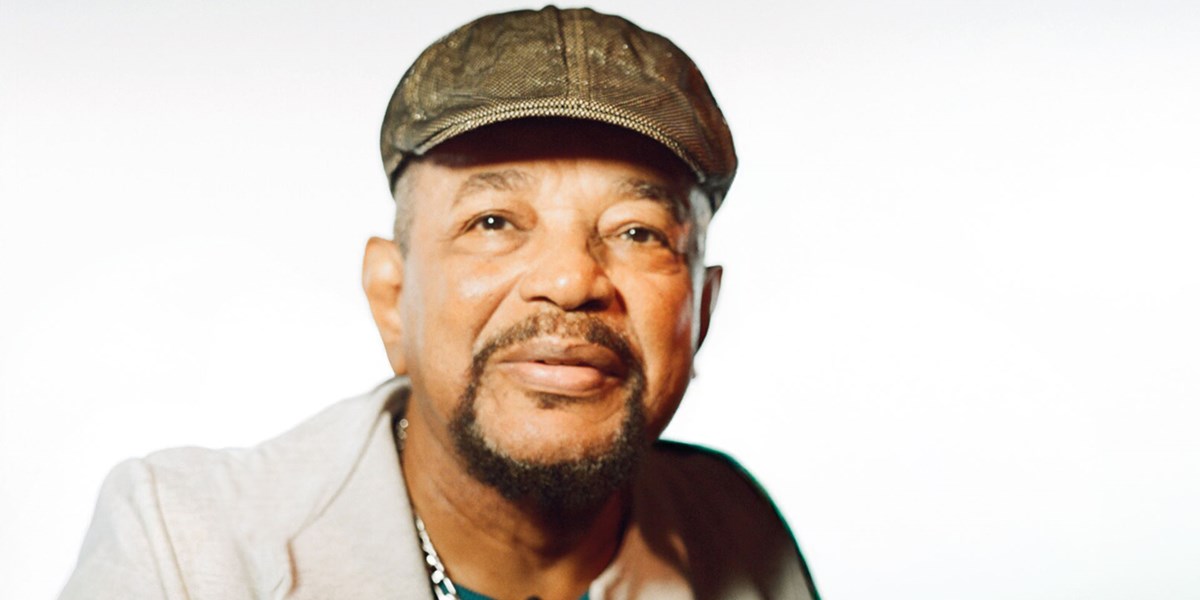
The 4 Corners and Centre of Carlos Dafé’s Universe
A pivotal figure in the evolution of Black Brazilian music, the Rio-born soul singer talks through the works that have defined his sound
James Brown
Sex Machine
(King Records, 1970)
I first heard this record when I was touring with the band Fuzi 9; we were travelling across the world, so I was buying a lot of records. I bought Sex Machine at a stop in Puerto Rico. I first listened to it when I got home with my friends Tim Maia, Oberdan Magalhães and Luís Carlos Batera. The energy, rhythm and bass of the title song, specifically, was something we had never felt before. This has been a big influence on my career. It was also a key album for the funk balls in Brazil, a scene popular among young Black Brazilian youth that inspired artists like Cassiano, Tim Maia and Hyldon.
Arthur Verocai
Arthur Verocai
(Continental, 1972)
I’m incredibly proud to be part of this album – I contributed some vocals on it. It’s strange and wonderful to see its legacy; it’s a cult classic. At the time, the scene in Rio was this incredible, spontaneous explosion of creativity. We were all friends, constantly in and out of the studio, playing on each other’s albums, experimenting by fusing samba with soul, jazz, orchestral music… Here, Arthur truly pushed the envelope. A genius arranger, he approached this record like a cinematic suite, weaving lush string and horn arrangements around our raw, rhythmic foundation. Everyone involved was elevated by his vision; you felt like you were making something special.
Quincy Jones
Smackwater Jack
(A&M Records, 1971)
Quincy’s rendition of Marvin Gaye’s ‘What’s Going On’ truly shattered my perception of music. He took this soulful protest song and built a monumental, orchestral landscape around it – soaring strings, haunting flutes. That’s where my personal revelation happened. I had started as a piano player, thinking about melody and chords. But a light switch flipped while listening to Chuck Rainey’s bassline – it wasn’t just in the background, it was the heartbeat, the foundation of the entire groove. It dictated the feel, the motion, the soul, steering the entire emotional direction of a song. It showed me the immense influence [bass] could have as a driver of the music itself.
Tim Maia
Tim Maia
(Polydor, 1972)
Marking the first time I recorded with Tim, this album featured a song I co-wrote, ‘Já Era Tempo De Você’ (It Was Already Time For You). To have your own composition on a Tim Maia record was just incredible. We were obsessed with this idea of mixing rhythms, taking the deep groove of US soul and funk and melding it with the swing of Brazilian samba. You can hear us finding that unique sound, which would become his signature. This record opened doors for me. Shortly after, Tim convinced me to join him in exploring the philosophy of Universo em Desencanto, leading directly into the creatively fertile but intense period producing the first two Racional albums.
THE CENTRE
Dom Salvador e Abolição
Som, Sangue e Raça
(CBS, 1971)
I almost played the bass on this album, but I couldn’t because of my hair! I was in the Navy Corps and wasn’t allowed to have an Afro, an important symbol of Black Power – Dom [Salvador] wanted that look for all band members. This was the first album in Brazil to combine Brazilian music with soul, blending Black American music with Brazilian influences. The track ‘Guanabara’ is an instrumental that has been very important to my sound; it was all about the groove, the cool ‘in your face’ bassline. It was a glimpse into what Black Brazilian music would turn into. The album was recorded by my friends, all musicians with samba backgrounds. When we heard soul music and US jazz, we could incorporate the rhythms, sounds and chords into the sound. Many musicians who played on this record went on to form Banda Black Rio.
INTERVIEW BY Charis Mcgowan